
Last updated: October 30, 2026
Choosing between an historic Victorian and one of the newly-built condos in Woodbridge, Detroit, comes down to where you want your money and time to go. A Victorian gives you original character, more space, and a yard, but the upkeep is yours - it is the gift that keeps giving. A newer condo trades that for association fees, shared rules and less upkeep.

Where is Woodbridge, and is it a historic district?
Woodbridge is roughly bounded by Grand River, Rosa Parks Blvd., the Lodge Freeway, Trumbull and I-94, according to the Detroit Historical Society. The neighborhood was listed on the National Register of Historic Places in 1980, with boundary increases in 1997 and 2008. The designation that affects you as an owner is the City's: the Woodbridge Farm Historic District was established in 1991, and its design rules are written into City Code. Before we compare two homes, I confirm whether each address is inside the local district.
What are Woodbridge historic homes like?
Woodbridge grew as a streetcar suburb after 1870. The Detroit Historical Society notes that cottages came first, followed by larger homes, and that the architecture is primarily Victorian. Brick is the prevalent material, with a few wood-frame houses, and wooden details and trim are common. Rear yards tend to be shallow, and only a few lots have garages along the rear lot line. In practice, that means you should ask about parking early, and have your inspector look closely at porches, wood trim, masonry and the roof. If anything looks off, get a contractor's opinion before your inspection period ends, while you can still negotiate or walk away, however with an historic home you will not find a perfectly maintained structure.
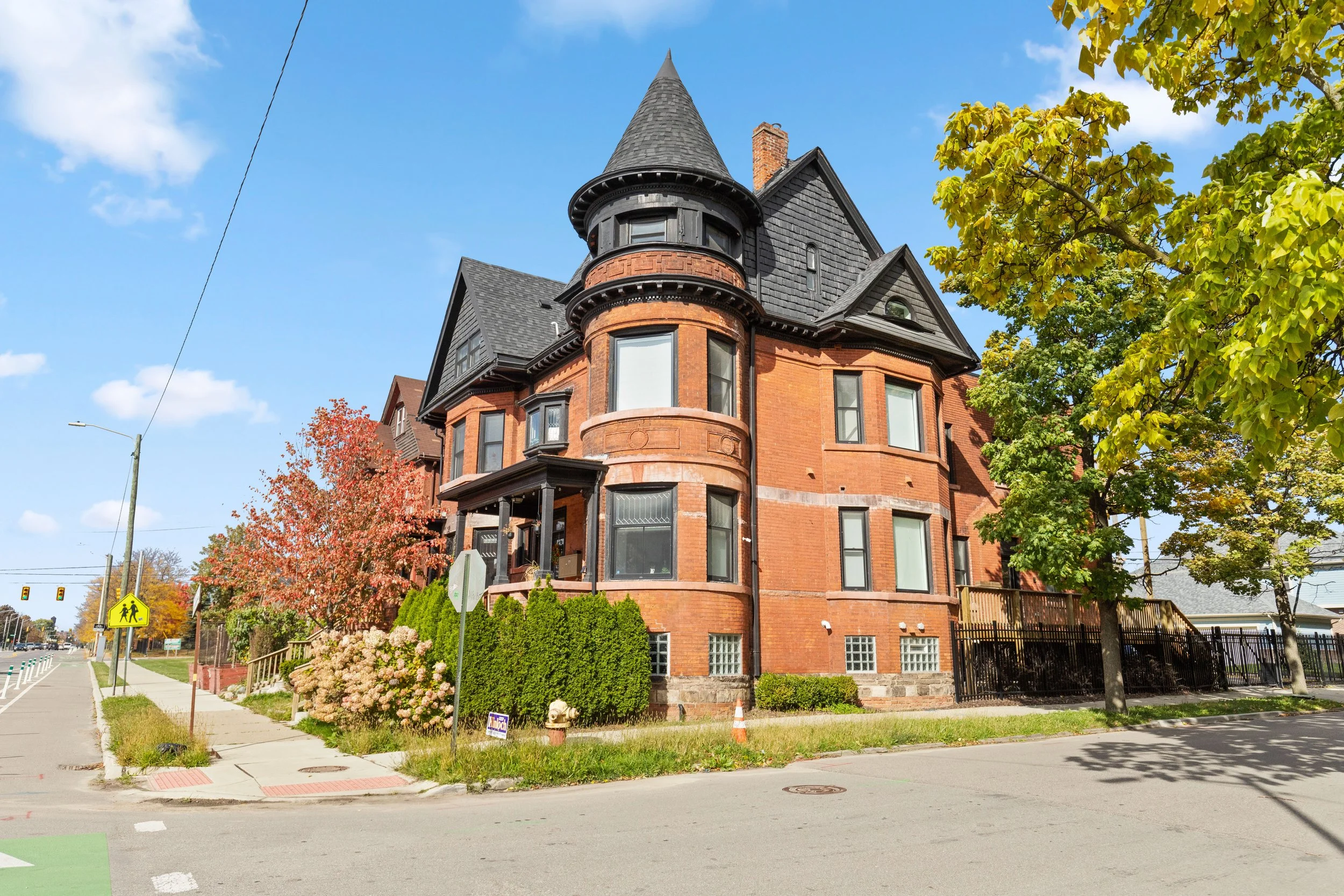
How do the costs of a Victorian and a new condo compare?
I can't give you a price difference that holds for every listing, because size, condition and finishes vary so much. Here's how I walk buyers through the trade-offs:
Upfront cost: price follows size, condition and how much original detail survives. A lower-priced Victorian that needs a roof or boiler can end up costing more than a move-in-ready condo.
Upkeep: with a Victorian, the roof, masonry, wood trim, porches and every mechanical system are yours to maintain. With a condo, the association typically maintains the shared parts of the building, and you pay for that through your dues.
Monthly costs: a single-family house has no association dues, but you need your own repair budget. A condo has monthly dues and can have special assessments, so read the budget and reserves before you commit.
Historic rules: a Victorian owner applies to the City for exterior changes (in the Woodbridge Farms Historic District, east of Trumbull). In a condo, exterior decisions usually go through the association first.
Storage and parking: older homes often have basements and attics. Storage in newer condos is easy to overlook, so ask whether a unit comes with basement or locker storage, and what parking is deeded or assigned.
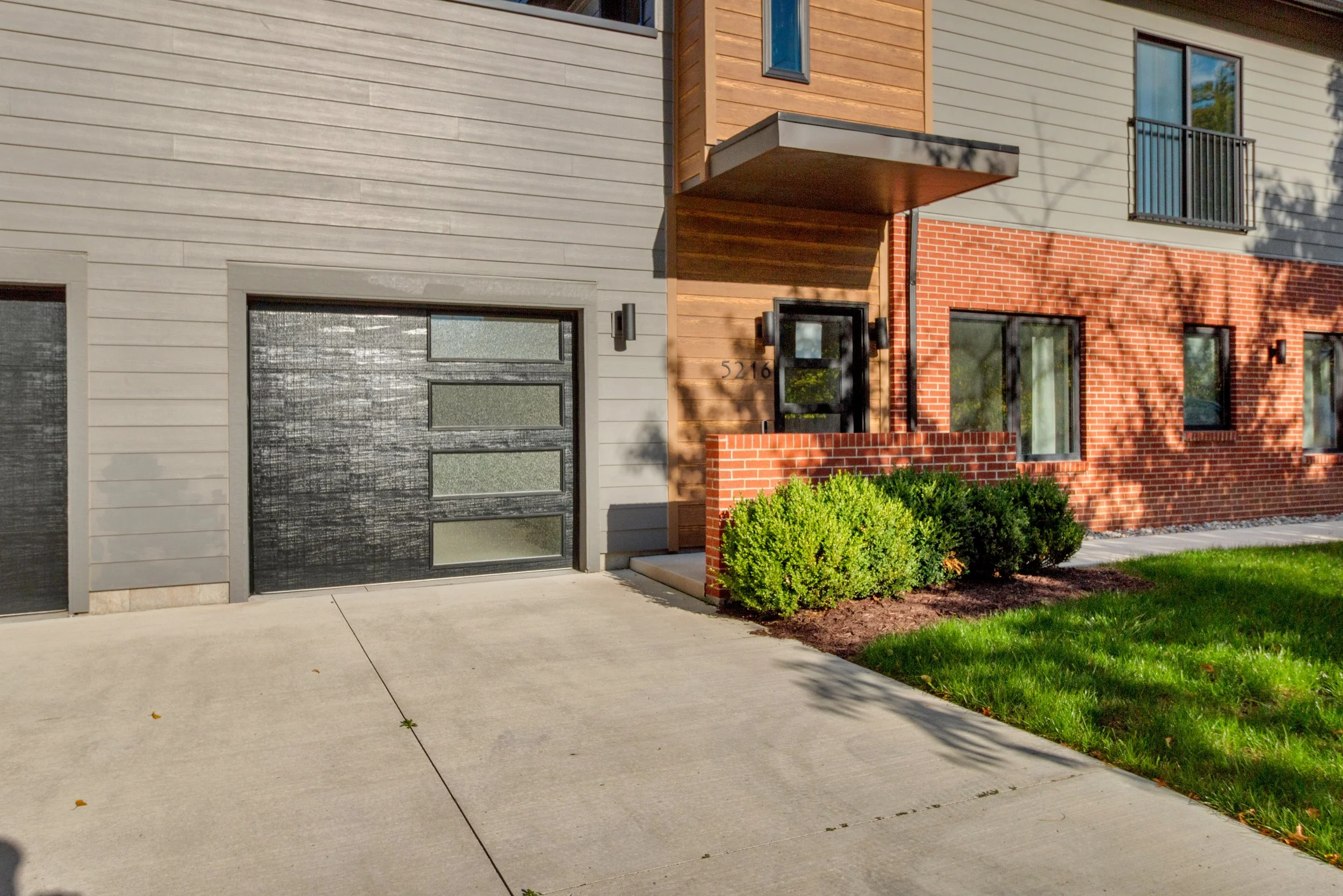
Do historic district rules apply to Woodbridge Detroit condos?
They apply to any building inside the local district, old or new. To change a building's exterior there, the City's process is to confirm the property is in the district, request Historic District Commission review, and then, if approved, get a building permit. The City also publishes separate guidelines by type of work, including historic wood windows, fences and hedges, masonry cleaning and exterior paint color, so if you plan new windows, a fence or a porch rebuild, read the matching guideline before you budget for it. The City treats unapproved exterior work as a violation. If you're buying a Victorian, ask the seller what exterior work was done and whether it was approved. You can also email the Historic District Commission at hdc@detroitmi.gov to ask if there are any open violations, before you buy. If you're buying a condo, ask the association how it handles exterior projects and whether any approvals are pending.
What should I check before buying Woodbridge new construction?
When you buy directly from a developer, Michigan's Condominium Act gives you time to review. Under MCL 559.184, you can withdraw from the purchase agreement without penalty until 9 business days after you receive the required condominium documents, as long as you haven't closed. Use that window to read the master deed, bylaws, budget and any disclosure about future phases. Also ask whether the unit has a Neighborhood Enterprise Zone certificate. The City's NEZ program reduces property taxes on qualifying new and rehabilitated homes for a set period, so find out when the certificate ends and what the bill looks like afterward. As a property tax expert, I can help you navigate this process.

How will my property taxes change after I buy either one?
In Michigan, a home's taxable value can rise each year by no more than inflation or 5%, whichever is less, until it sells. After a sale, that cap comes off the following year, per the State Tax Commission's transfer of ownership guidelines, so the seller's tax bill is not a preview of yours. After closing, you must file a Property Transfer Affidavit with the City Assessor within 45 days. If the home will be your primary residence, file the Principal Residence Exemption Affidavit (Form 2368). This is general information, not tax or legal advice; confirm details with your title company or tax advisor. Most of Woodbridge falls into the Neighborhood Enterprise Zone-Homestead (a 15-20% property tax reduction). If you purchase a newer condo, it will likely have an NEZ-New abatement (70-75% reduction). Reach out to me for a deeper conversation about property taxes and how to estimate them for Woodbridge.
About Jan Dijkers
Jan Dijkers is a Detroit real estate agent with over 20 years of experience who helps buyers compare historic homes and condos in Woodbridge and across Detroit's historic neighborhoods. Browse my current listings or book a buyer consultation to talk through your Woodbridge search.