
Last updated: November 3, 2026
University District Detroit homes are mostly single-family homes, built between 1925 and 1941, in styles from Tudor to French Provincial. Before you buy, know how the NEZ Homestead abatement, the neighborhood's special assessment, Michigan's tax uncapping rule and the age of these houses will shape what the home really costs you to own.
Below are the nine things I walk every University District buyer through, each linked to the city, state or neighborhood source so you can check it yourself.
1. Where the neighborhood is and how many homes it has
University District Detroit sits on the city's northwest side. The City of Detroit's neighborhood profile describes it as bounded by Seven Mile, West McNichols, Parkside and Livernois. It was founded in 1929 and named for the University of Detroit Mercy. Area amenities include a golf course, the Detroit Golf Club, tennis courts at Palmer Park, access to the Northwest Activities Center and a community garden. The University District Community Association puts the count at roughly 1,200 homes, so at any given time only a handful are on the market.
2. Most of the houses date from 1925 to 1941
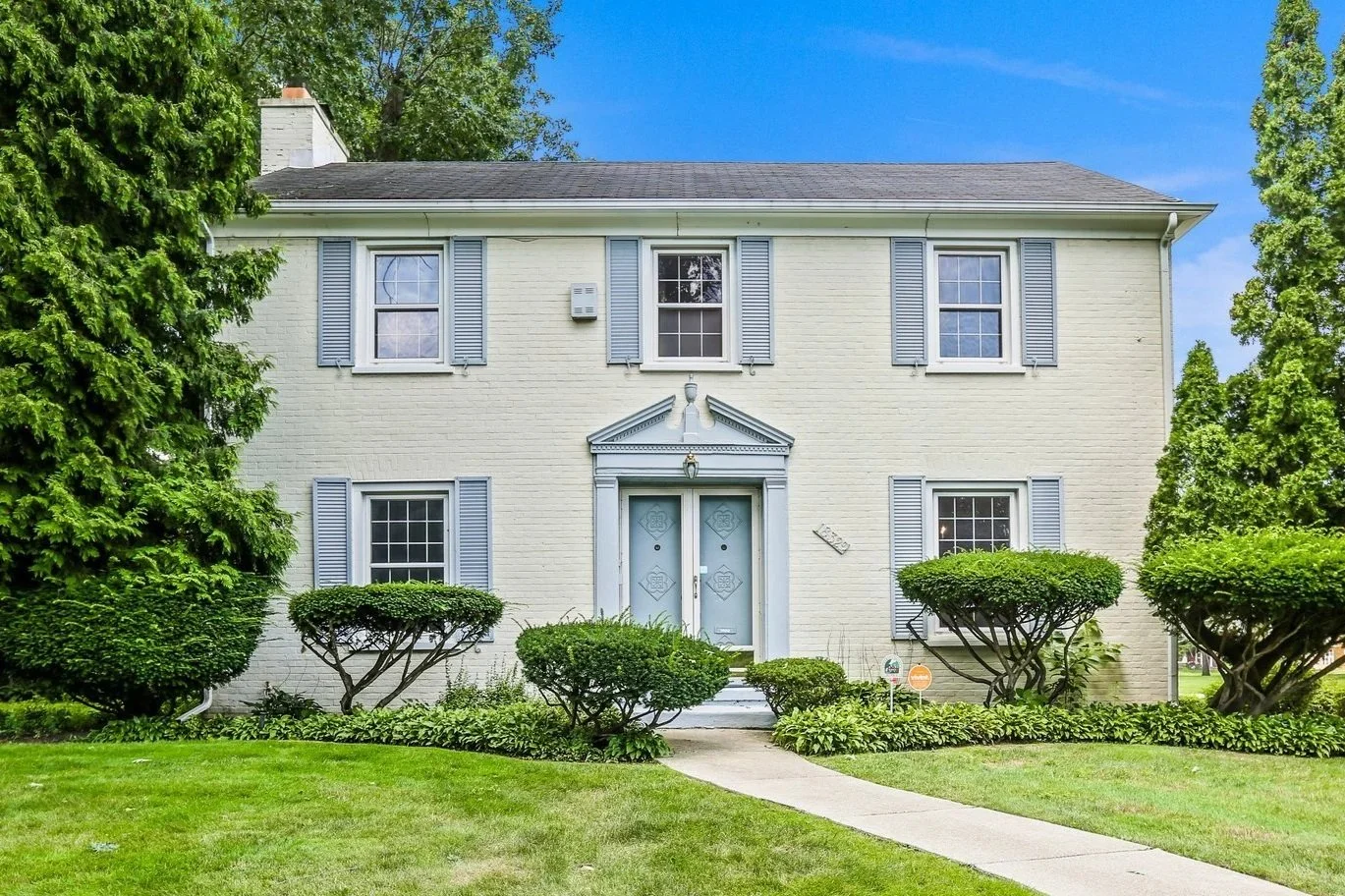
According to the community association, most homes here were built between 1925 and 1941, and the main styles are Tudor, Colonial, Mediterranean and French Provincial. The City's profile points out the stone patterns and marble exteriors you'll see on many of them. If you want to see inside several of these houses before you start touring listings, the association holds an historic home tour every other year.
3. What drives price differences in University District Detroit homes for sale
When I compare homes for sale in University District Detroit, MI, square footage is only the starting point. The bigger swings come from how much of the original detail survives (plaster, woodwork (unpainted), tile, and leaded glass), and how much of the expensive behind-the-walls work has already been done: roof, heating and air conditioning systems, electrical and plumbing. Kitchen and bath updates, and the condition of the garage come next. Two houses of the same size on the same block can be priced very differently because one owner already paid for a roof and a new heating system and the other did not. I read every listing and look at the photos to see when major systems were updated and if the kitchen and bathrooms have modern finishes.
4. It is not a City of Detroit local historic district
Many buyers assume every older Detroit neighborhood is regulated as a historic district. The University District is not on the City's list of local historic districts as of this update. In designated districts, the City's Historic District Commission reviews building permit applications for exterior alterations; that extra review does not apply here, although regular building permits still do. This means vinyl windows are allowed. The community association does publish a Residential Standards Handbook for the neighborhood, so read it before you plan exterior changes.

5. Much of the neighborhood is part of an NEZ Homestead zone
The City's NEZ Homestead program cuts the City of Detroit operating millage from 19.9520 to 9.9760 mills and the Wayne County operating millage from 5.6483 to 2.8241 mills, which the City estimates is roughly a 15 to 20 percent reduction in the summer tax bill. The certificate runs 15 years as long as you own and occupy the home.
To qualify, you must buy after December 31, 1996, own and live in the home as your principal residence, stay current on taxes, commit to at least $500 of improvements in the first three years, and have a Property Transfer Affidavit and Principal Residence Exemption on file. The Assessor accepts applications all year, but anything filed after October 1 is processed the following year. You'll also get two tax bills each July and December: one for the house and one for the land.
Confirm the exact address on the City's NEZ Homestead map before you count on it.
6. Your property taxes reset the year after you buy
Under Michigan law, a transfer of ownership uncaps the property's taxable value in the calendar year following the sale. If the seller has owned the house for a long time, their tax bill can be well below what yours will be. Don't budget from the seller's bill. Because I am a property tax expert, I will help you calculate your taxes based on the current assessment and recommend that you confirm the figure with your lender, the title company and/or tax assessor.
7. File your Principal Residence Exemption at closing
The State's Principal Residence Exemption exempts the home you live in from the local school operating millage, up to 18 mills. It is also one of the documents the City requires before it will approve an NEZ Homestead certificate. I will make sure the PRE affidavit is signed at closing and I will help you file it with the city assessor. It’s one of the many services I provide that will help make your life easier.
8. Budget for the Special Assessment District
Detroit City Council made the University District a Special Assessment District on June 21, 2022. Each parcel is assessed $175 a year, which has appeared on the summer tax bill since 2023. By state law the money can only pay for three contracted services. University District has chosen to use these funds for 24/7 security, mosquito abatement, and snow removal. The designation runs seven years. Membership in the community association is separate from this assessment.
9. Check the water service line and the major systems
The Detroit Water and Sewerage Department says Detroit stopped allowing lead water service lines in 1945, so homes built before then are the most likely to have one. The property owner is responsible for the line from the stopbox (the shut-off valve, usually in the front yard) into the house, but when DWSD replaces the water main on your street, it replaces a lead line with copper at its own expense, with your permission. Its Lead Service Line Replacement page has a self-check form and a service line map.
For houses this age, I also recommend a sewer line camera inspection and a close look at the roof, chimney and heating system, on top of a standard home inspection.
If you're watching houses for sale in University District Detroit, these nine points will help you compare listings on what they will actually cost to own, not just on asking price.
About Jan Dijkers
Jan Dijkers is a Detroit real estate agent with over 20 years of experience who helps buyers in the University District. Browse my current listings or book a buyer consultation to talk through your University District search.